Draper vs South Jordan Homes: Find Your Ideal Fit
January 15, 2026
January 15, 2026
Trying to choose between Draper and South Jordan for your next move can feel like comparing apples to oranges. You want more space, solid amenities, and a location that fits your routines. The good news is both cities check many family boxes, just in different ways. In this guide, you will learn how housing, commutes, outdoor access, schools, and daily life stack up so you can pick the city that truly fits your life. Let’s dive in.
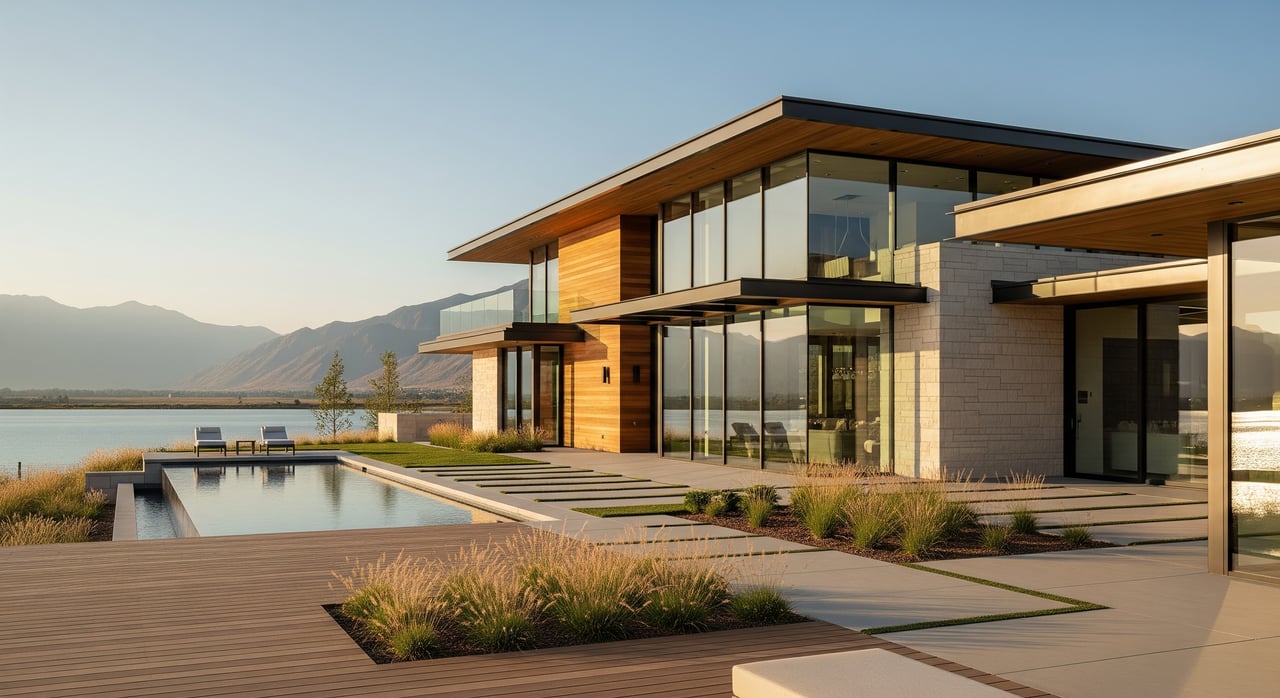
Draper and South Jordan sit in southern Salt Lake County, yet they feel different day to day. Draper is smaller by population and more mountain adjacent, with many hillside and executive homes, newer construction, and quick access to Wasatch foothill trails. South Jordan is larger by population, with master‑planned neighborhoods like Daybreak, a broad mix of home types, and community amenities centered around parks and a lake.
Population gives useful context. Draper’s 2020 population was about 51,017, while South Jordan’s was about 77,487. That size difference shows up in the variety of neighborhoods, shopping nodes, and housing choices you will find across South Jordan.
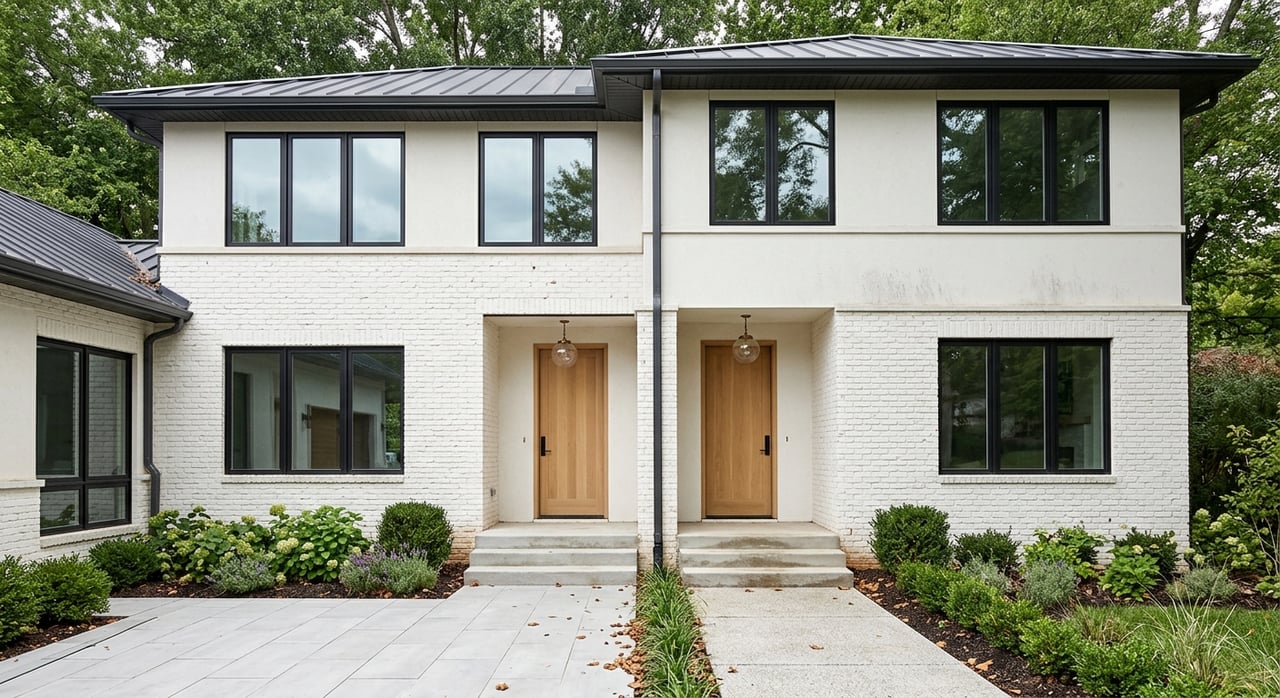
In Draper, single‑family homes dominate. You will see newer subdivisions and upper‑Draper hillside homes with larger lots and views, along with some townhomes and a smaller number of condos. There are older pockets from the mid‑20th century, but many neighborhoods skew newer. Ongoing infill and hillside development add options, including higher‑end spec and custom builds.
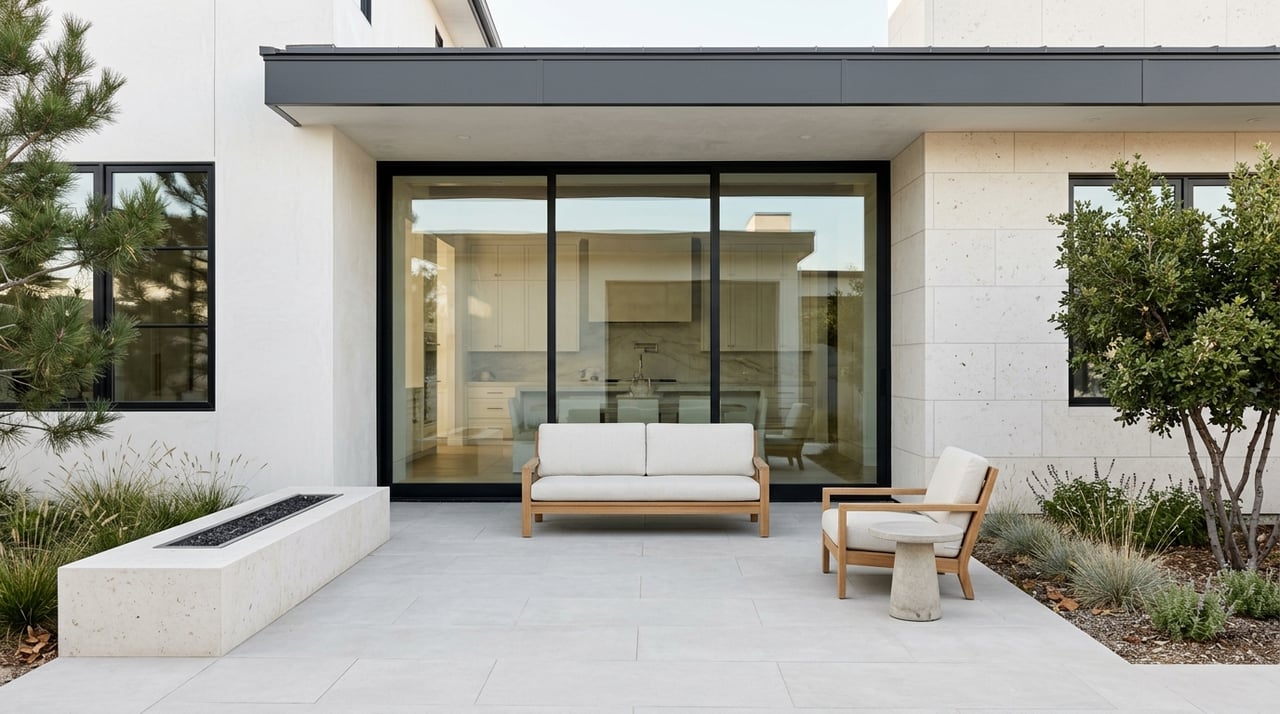
South Jordan offers a wide mix of single‑family homes, townhomes, condos, and mixed‑use options, especially in Daybreak. Daybreak centers life around Oquirrh Lake and resort‑style amenities like trails, beaches, and community spaces. You will also find established neighborhoods beyond Daybreak with traditional lots and a classic suburban feel.
Market prices shift quickly, but the pattern has been fairly consistent in recent cycles. Draper typically carries a modest to material premium over many parts of South Jordan. Think roughly low‑double‑digit percent differences on average, with larger spreads for hillside homes with big views or newer custom construction. Neighborhood‑level factors can narrow or widen that gap.
Many South Jordan neighborhoods, especially Daybreak, have HOAs that fund amenities and enforce design standards. The tradeoff is clear. You get access to pools, lake use, gyms, and community events, but you also have dues and rules to follow. Draper’s custom and hillside areas often offer larger lots and fewer restrictive HOAs, although it varies by subdivision.
Property taxes in Utah are relatively low compared with many states, but rates vary by parcel, school district, and special districts. Ask your lender or escrow team to estimate taxes and insurance for any property you are considering, and consult county records for parcel‑specific details.
Inventory can be tight in both cities for well‑priced family homes. Set up saved searches and alerts so you do not miss new listings, price changes, or off‑market opportunities.
Both cities sit along the I‑15 corridor. Typical drives to downtown Salt Lake City or the University area can range from about 20 to 40 minutes depending on your exact starting point, time of day, and traffic. Draper locations closer to the canyons can be ideal if skiing or trail days are a priority. Addresses west of Bangerter or near Mountain View Corridor in South Jordan can add minutes for east‑side destinations but may save time for west‑side commutes.
TRAX offers a helpful alternative to driving. Draper is served by the Blue Line with a terminus at Draper Town Center. South Jordan is served by the Red Line with a terminus at Daybreak Parkway. There is no FrontRunner station in either city, so plan on TRAX or driving to reach commuter rail. Station parking and walkability vary by neighborhood, so think about park‑and‑ride access when you tour.
If you work from home part or full time, verify fiber or high‑speed internet availability at the address. Many buyers also prioritize a dedicated office or flex room that can serve dual purposes for work and guests.
Corner Canyon is the star. Draper’s network offers hundreds of miles of singletrack and multiuse trails for mountain biking, hiking, and trail running. You also get faster access to the Cottonwood Canyons for alpine hikes and skiing during winter. Some neighborhoods include equestrian and open spaces that bring a suburban‑mountain vibe to daily life.
South Jordan leans into built amenities. Daybreak’s Oquirrh Lake brings casual water recreation, playgrounds, beaches, and community centers into easy reach. Across the city, the Jordan River Parkway and connected trails, parks, and sports fields give you plenty of space for walks, bikes, and weekend games. You still reach the Wasatch quickly via nearby arterials, though it is less immediate than Draper’s foothill access.
Both cities support a robust lineup of youth sports and rec programs. Daycare and preschool options are plentiful, but popular providers can have waitlists, so start early. Clinics, urgent care, groceries, and retail are nearby in both locations, with major hospitals and specialty care within about a 15 to 30 minute drive.
Safety and environmental context matter too. Draper’s hillside neighborhoods can carry higher wildfire risk due to steep, brushy terrain. In parts of South Jordan near lakes and wetlands, pay attention to drainage and floodplain considerations. Ask about defensible space, brush management, insurance, and flood history during tours.
Draper spans Canyons School District and Jordan School District, and boundaries can split the city. South Jordan is primarily in Jordan School District, with Daybreak schools located close to the neighborhoods they serve. School performance varies by individual school, so verify attendance boundaries and review current test data for the specific property you are considering.
For any home, confirm the assigned schools through district boundary maps and state report cards. Keep in mind that boundaries and programs can change with new school openings. If a certain program or commute pattern is important, check it during your due diligence period and build it into your tour plan.
Set saved searches that mirror your needs. Helpful filters include:
Bring this list to every showing:
Local market tempo can shift with the seasons. Spring and summer often bring more inventory and more competition. Get pre‑approved early, and pair that with a current market analysis so you can move quickly when the right home hits the market. In competitive pockets or for standout homes, be ready to discuss flexible terms, timelines, and escalation strategies.
Choosing between Draper and South Jordan comes down to how you live day to day. If foothill trails, canyon access, and larger lots are your priority, Draper may be your match. If community amenities, lake life, and a broader mix of price points matter more, South Jordan can be a great fit. The best next move is to preview both, at your commute times and on a weekend, then compare two or three options head to head.
Ready to set up targeted searches, on‑the‑ground tours, and a data‑driven plan for your sale and purchase? Connect with Hannah Smith for local guidance and a smooth, confident move.
Stay up to date on the latest real estate trends.
Whether you are an experienced investor or a first-time buyer, I can help you in finding the property of your dreams. Let me guide you every step of the way by calling or e-mailing me to set up an appointment.