Living in Park City Utah Beyond Ski Season
February 5, 2026
February 5, 2026
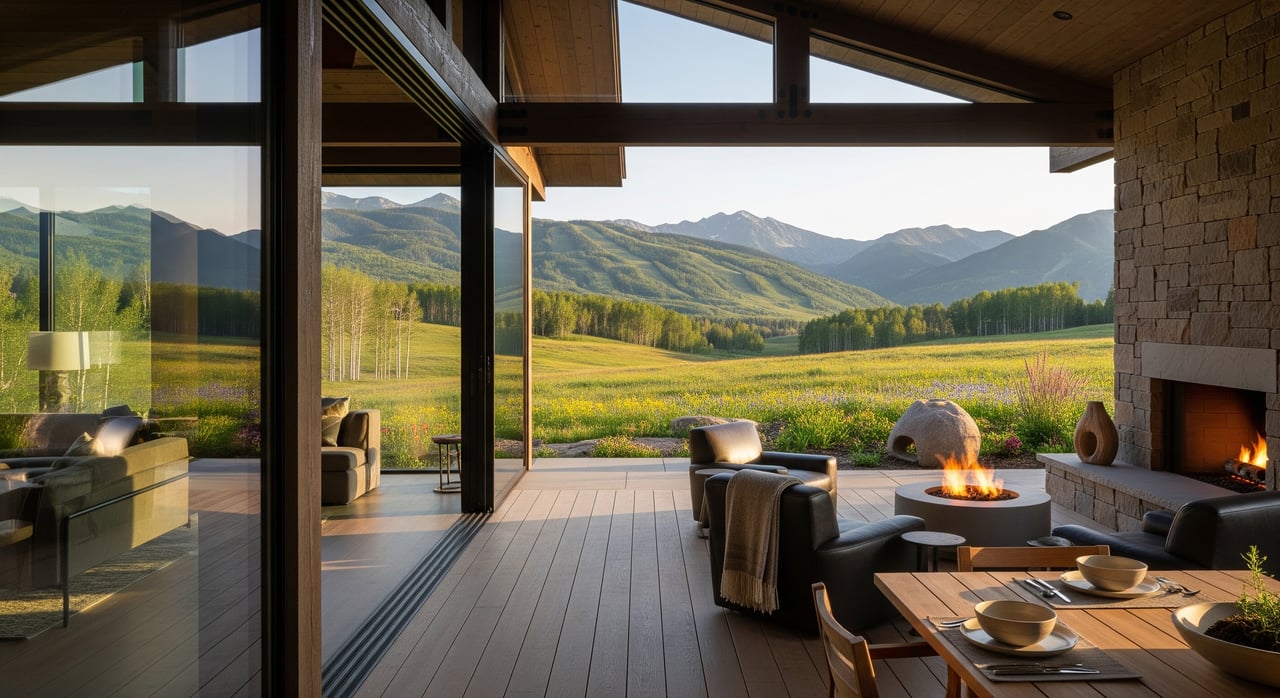
What happens in Park City when the lifts stop turning and the film crews go home? If you are picturing quiet streets, easy dinner reservations, and miles of open trail, you are close. Everyday life shifts from visitor pace to local rhythm, and that can be a great time to put down roots. In this guide, you will learn what daily living looks like beyond ski season, from neighborhoods and transit to schools, healthcare, and year-round fun. Let’s dive in.
Park City is a small mountain city with a big tourism footprint. The U.S. Census counted 8,396 residents in the city in 2020, with about 42,300 across Summit County. Visitor numbers swell the area in winter and during major events, then ease in spring and late summer. You feel that shift in shorter lines, lighter traffic, and a more local vibe.
Many businesses adjust hours when the crowds thin, but essential services remain steady. The economy blends tourism with construction, real estate, and a growing group of remote and seasonal professionals. If you enjoy a tight-knit community that still has world-class amenities, the off-season can be the best of both worlds.
If you want a walkable lifestyle near restaurants, galleries, and theaters, Old Town offers historic homes and condos close to Main Street. Streets are narrow and charming, and you can run many errands on foot or by bus. Daily life here feels active and connected.
Deer Valley areas lean higher-end with luxury homes and condo communities near the resort. You will find services geared to both full-time residents and second-home owners. Expect HOA rules and fees that cover things like snow removal and common-area care.
Canyons Village offers newer condos and quick resort access, while Kimball Junction functions as the everyday retail and transit hub. Grocery stores, pharmacies, and big-box options cluster here, along with easy highway access. It is practical for commuters and anyone who likes one-stop shopping.
These neighborhoods are popular with year-round residents, with a mix of single-family homes and townhomes. You get parks and somewhat easier access to schools and community facilities. Streets are quieter outside winter peaks.
North of town along I-80, Jeremy Ranch and nearby communities offer larger lots and golf-course settings. Many residents commute into Salt Lake City or around the Wasatch Front. This area suits buyers who want space and convenient freeway access.
Most residents use a car for daily trips, with SR-224 and I-80 as the main arteries. That said, Park City Transit runs free local bus service year-round that connects Old Town, Deer Valley, Canyons Village, and Kimball Junction. When routes match your destinations, you can skip parking and ride.
Winter driving still matters even after the ski rush passes. Snow can arrive early and linger in spring, so plan for snow tires or all-wheel drive and learn local snow-removal schedules. The rest of the year, roads are calmer and errands are easier.
Park City School District serves most of the city, with public elementary, middle, and high school options. District pages outline programs and performance, and families often mention strong extracurriculars. If schools are a priority, review current boundary maps and enrollment details, since attendance zones can change.
Childcare and afterschool programs can be tight during peak seasons due to workforce demand. It helps to plan early and get on waitlists. You can also find private preschools and specialty programs in town and nearby communities.
Intermountain operates the local hospital and clinics for routine care and emergencies. For major specialties, residents often travel to Salt Lake City. County emergency services coordinate ambulance and mountain rescue for trail and backcountry incidents.
Kimball Junction is the everyday hub for groceries, pharmacies, and home goods. Old Town has smaller grocery and convenience options for quick trips. Deliveries and contractor schedules can slow during peak visitor periods, so plan ahead for big projects.
Internet access has improved since the pandemic, with fiber or cable in many denser areas and solid broadband in most neighborhoods. Service levels vary, so check providers by address before you buy. Remote workers often find home-office setups easy once they match neighborhood infrastructure to their needs.
Park City maintains one of the largest, most connected trail networks in the Intermountain West. Spring through fall, you can hike or ride singletrack like Mid Mountain and Round Valley, with trail work guided by city and nonprofit partners. Expect high trail use during warm months and a strong mountain-bike scene.
Warm weather points you to nearby reservoirs for boating and paddle sports, with Jordanelle Reservoir just a short drive away. Rivers offer fishing and rafting in season. Cool mornings and sunny afternoons are perfect for lakeside picnics and quick swims.
Public and private courses open in late spring, from Park City Golf Club to Jeremy Ranch. Leagues, camps, and community-center programs fill the schedule for youth and adults. Booking early helps secure preferred tee times and sessions.
Old Town stays lively with galleries, restaurants, and local theaters, though hours may shift in shoulder seasons. Summer brings the Park Silly Sunday Market, art festivals, and outdoor concerts. Utah Olympic Park runs year-round with a museum and warm-season activities like ziplining.
Parks, fields, and recreation centers support youth sports and casual meetups. Many families plan weekend hikes in the morning and downtown dinners in the evening. You get the social benefits of a tight community without the mid-winter bustle.
After winter, weekdays feel quieter and parking gets easier. Trails and bike paths fill with locals before and after work. Many restaurants are less crowded, though some reduce hours or close for a few weeks.
Here is a quick off-season checklist:
HOAs are common in condo and townhome developments. Know the fees, rules, and coverage for things like snow removal, parking, and rental policies. These details shape your budget and daily routine.
Snow management is a normal part of life. Plan for driveway clearing, roof and gutter care, and winterizing outdoor spaces. Altitude can affect new residents, so hydrate, ease into workouts, and learn gardening limits at higher elevations.
Wildfire season and drought have made defensible space best practices more important. Check local guidelines for landscaping and preparedness. Your insurance and home maintenance plan should reflect seasonal risks.
Short-term rental rules vary by zoning and often require permits or licenses. Park City and Summit County enforce registration and safety standards that affect where and how you can rent. If rental income is part of your plan, verify the address-level rules before you buy.
Remote work is common here, and broadband availability supports most setups, though speeds can vary by neighborhood. If you commute to Salt Lake City, travel time depends on weather and events on SR-224 and I-80. Winter storms and festivals can add time, while off-season drives are typically smoother.
Park City is both a vacation destination and a full-time community. You get quality schools, healthcare, and year-round recreation, along with a hospitality-driven economy that shapes prices and seasonal rhythms. If you value outdoor access, a robust trail network, and a small-city feel, everyday life here can be rewarding beyond ski season.
If Park City is on your radar for a full-time move, a second home, or an investment, you deserve clear, local guidance. From HOA rules to commute realities, the details matter. Reach out to Hannah Smith to map your options and move forward with confidence.
Stay up to date on the latest real estate trends.

Whether you are an experienced investor or a first-time buyer, I can help you in finding the property of your dreams. Let me guide you every step of the way by calling or e-mailing me to set up an appointment.