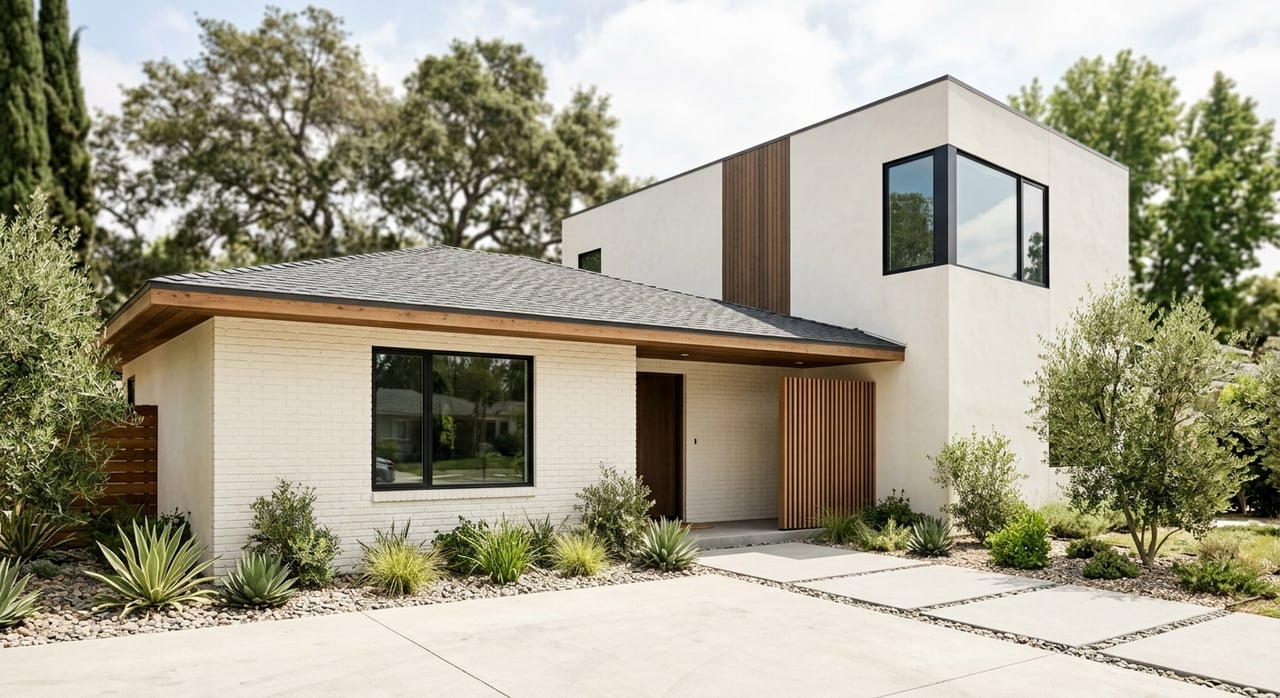
Holladay Older Homes vs New Builds: What to Know
May 14, 2026
May 14, 2026
Wondering whether a classic Holladay home or a newer infill build is the smarter move? You are not alone. In a city known for mature trees, deep lots, and established single-family neighborhoods, this choice often comes down to how you want to live now and what kind of flexibility you want later. This guide will help you compare charm, lot size, maintenance, pricing, and resale factors so you can make a more confident decision in Holladay. Let’s dive in.
Holladay is not a place with endless open land and large waves of new construction. The city’s general plan describes it as nearly built out, with low-density single-family neighborhoods that are shaped by older homes, private lanes, mature vegetation, and larger lots.
That same plan also makes clear that most major redevelopment pressure is focused in specific areas like Holladay Hills, Holladay Village, Holladay Crossroads, and selected corridors such as 3900 South, 4500 South, Highland Drive, and Murray Holladay Road. In other words, Holladay is seeing change, but not everywhere in the same way.
That is why the comparison between character homes and new infill builds is so relevant here. You are often choosing between two very different lifestyle and value profiles within the same city.
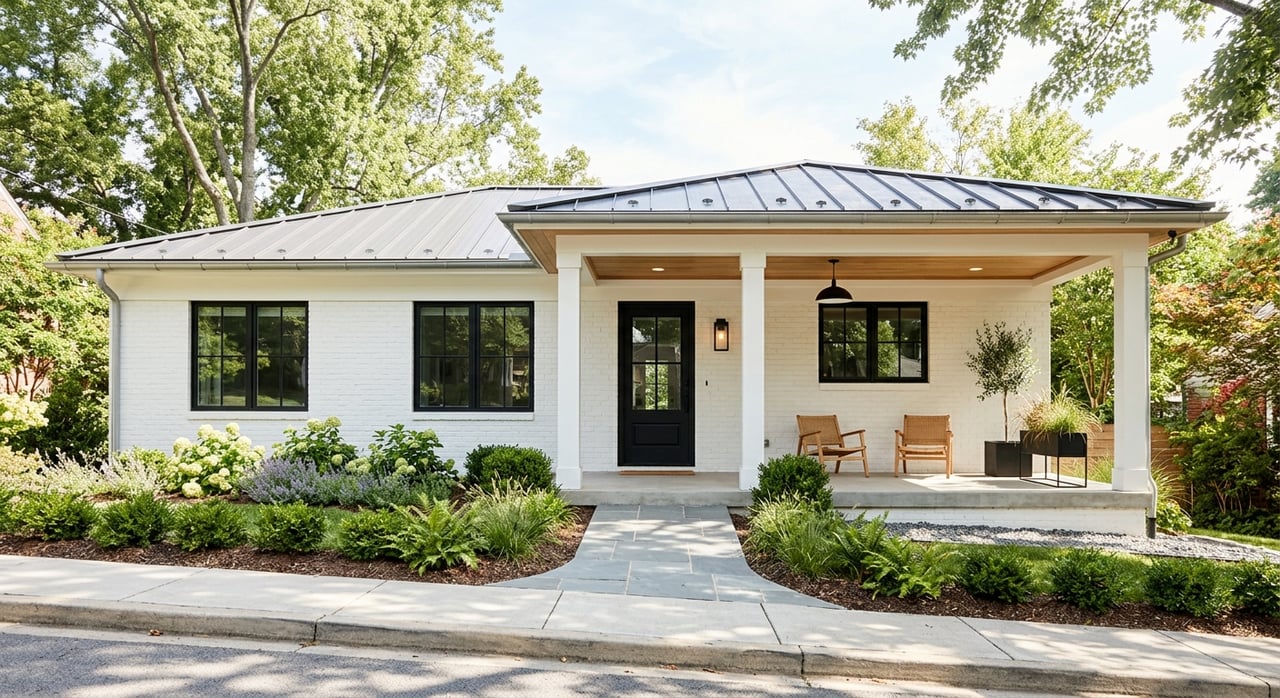
In Holladay, character homes are usually older single-family properties in established pockets. They often come with mature landscaping, more distance from neighboring homes, and lot sizes that are harder to find in newer projects.
Examples from Historic Holladay show how varied these homes can be, from a 1926 bungalow on 0.85 acres to a 1947 bungalow on a 6,098-square-foot lot and a 1955 home on an 8,712-square-foot lot. That range is part of the appeal. You may find original details, thoughtful updates, or a home with room to personalize over time.
The premium can be real, too. Historic Holladay posted a March 2026 median sale price of $1,042,151, which suggests that updated older homes in sought-after locations can command strong pricing.
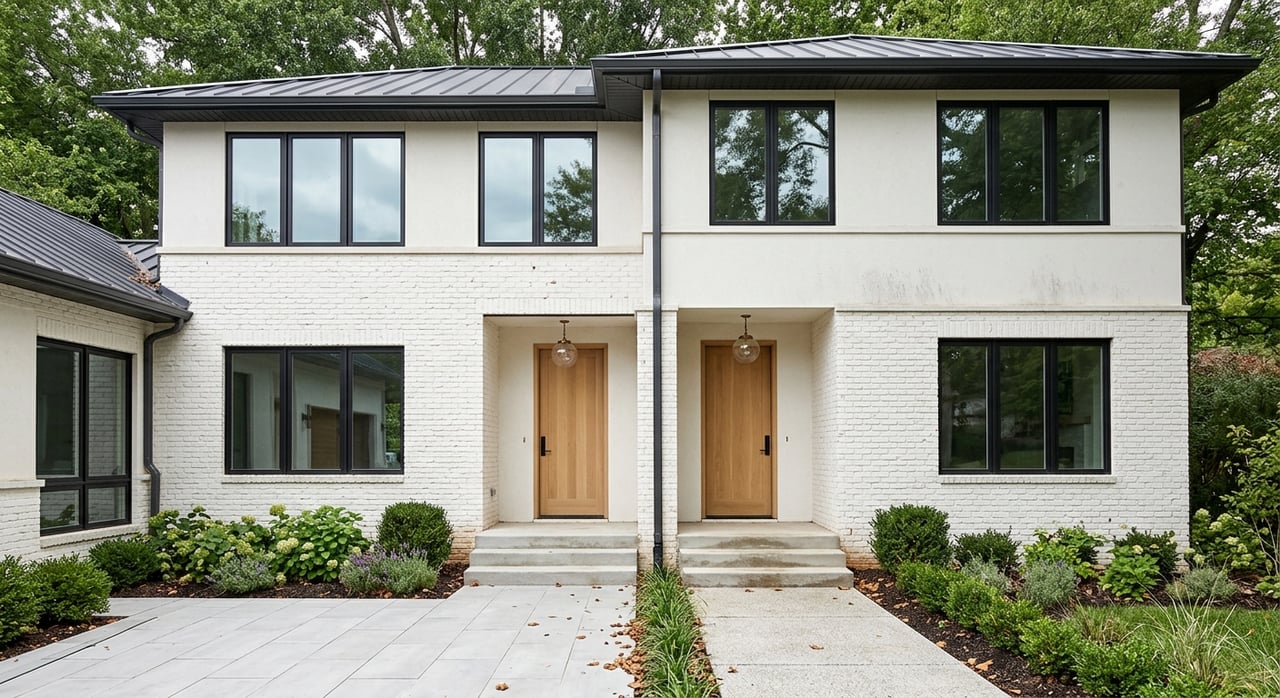
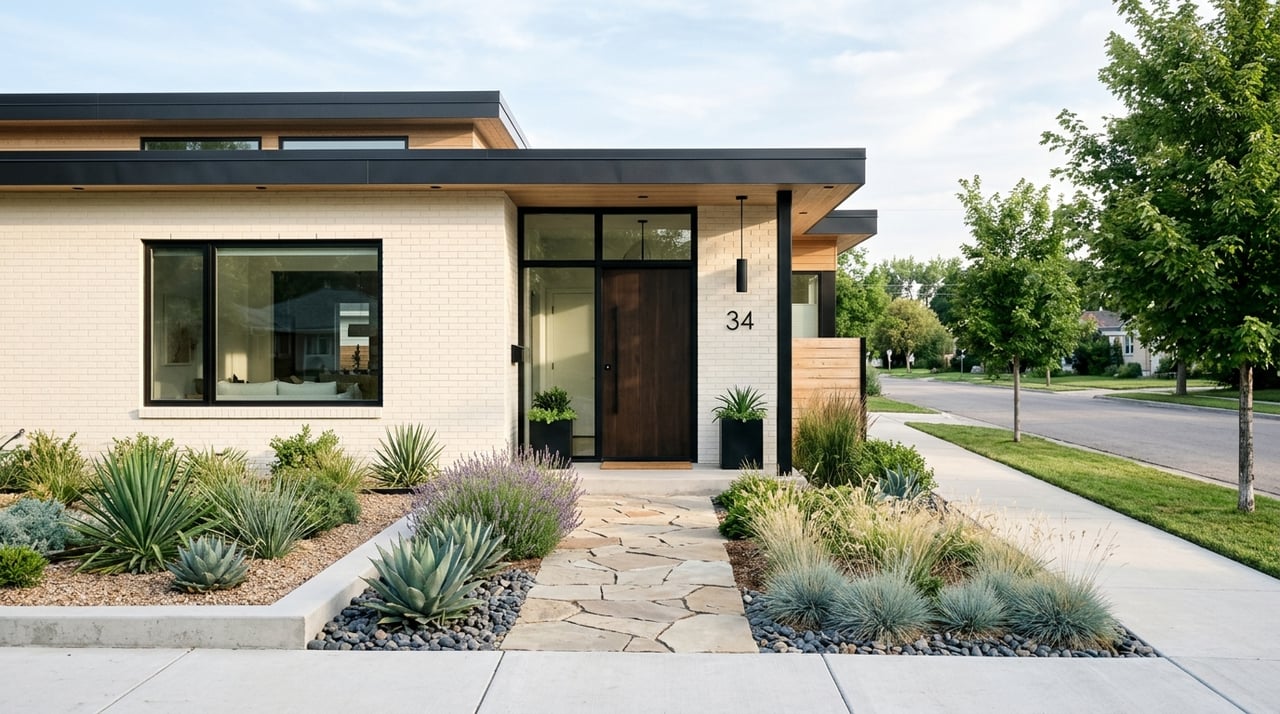
New infill in Holladay usually means newer homes added in redevelopment pockets or transitional areas rather than broad neighborhood replacement. The city plan points most significant land-use change toward redevelopment sites and specific corridors, not wholesale teardown activity across established single-family neighborhoods.
That distinction matters. If you are shopping for new construction in Holladay, you are often looking in a smaller set of locations, with products that range from compact townhome-style options to larger detached luxury homes.
Pricing reflects that range. Realtor.com shows Holladay new construction at a median listing price of $881,000, while current examples run from about $749,900 for a 2,240-square-foot home up to around $1,588,646 for a detached home on a 0.25-acre lot. Zillow’s new-home page also shows offerings from the mid-$700,000s upward, including smaller-lot options and larger luxury product near $2 million.
If you are trying to compare long-term value, zoning matters more in Holladay than many buyers expect. The city’s R-1 zones are intended to maintain low-density detached neighborhoods and keep development in harmony with surrounding patterns.
That supports the feel many buyers already associate with Holladay: detached homes, larger lots, and neighborhood continuity. The city plan also says it is maintaining current single-family housing, discouraging teardowns of older affordable units, and allowing homeowners to remodel or make responsible additions.
For newer product, the land-use framework is different. The R-2-8 zone is designed for two-family attached and single-family detached homes with more varied housing styles, and detached dwellings in that zone require a minimum lot width of 50 feet, while attached two-family units require 35 feet.
A separate RI text amendment was framed as a transition between lower-density R-1 areas and more intensive zones. The packet listed 5,000 square feet as the minimum lot area and 40 feet as the minimum lot width for detached homes. By comparison, Holladay’s single-family zones can require much larger minimum lot areas, from 12,000 square feet in R-1-4 up to 1.5 acres in R-1-21.
If you want a classic Holladay feel, character homes in established R-1 areas may line up better with your goals. If you want newer construction, more compact lots, or a transitional location near redevelopment areas, infill may be the better fit.
This may be the biggest practical difference between the two options. A character home often gives you more yard, more separation, and more flexibility for outdoor living, storage, gardening, or future projects.
A new infill build often gives you less land to maintain and a more simplified day-to-day routine. That can be a major plus if you want a lock-and-leave lifestyle or simply do not want to spend weekends managing an older property.
Neither is automatically better. The better choice depends on whether you value space and setting more than convenience, or convenience more than land.
Many buyers love the idea of an older Holladay home until inspection day. With character homes, the main risk categories are usually the roof, foundation, drainage, plumbing, and electrical systems.
For homes built before 1978, lead-based paint is another important consideration. EPA and HUD note that older homes are more likely to contain lead paint, and FHA appraisal guidance requires correction of defective paint in pre-1978 homes while also flagging visible mechanical or structural deficiencies.
That does not mean older homes are a bad bet. It means you need a clear inspection strategy and a realistic budget for repairs or upgrades.
New infill homes usually reduce those near-term unknowns. You are often paying a premium for that convenience, but for many buyers, fewer immediate projects and a more predictable maintenance picture are worth it.
One common misconception is that only older homes have appraisal challenges. In reality, both property types can create valuation questions, just for different reasons.
The CFPB says an appraisal is a written opinion of value based on similar local sales, and it is different from a home inspection. If either process reveals major repairs or value concerns, the closing process can get more complicated.
In Holladay, a renovated bungalow may be hard to compare directly because condition, updates, and lot quality vary widely. A newer custom or infill home may also be hard to compare if it sits in a redevelopment pocket or at a different price tier than surrounding sales.
That is why local pricing strategy matters. You want to evaluate not just the home itself, but also whether there are strong comparable sales supporting the asking price.
If you are trying to time this decision, it helps to know that current market snapshots do not tell one simple story. Redfin reported a March 2026 median sale price of $947,557, 30 median days on market, and $332 per square foot, while Realtor.com’s April 2026 snapshot showed 131 active listings, a $774,900 median listing price, a $779,572 median sold price, and 38 median days on market.
Even the market labels differ. Redfin called Holladay somewhat competitive, while Realtor.com labeled it a buyer’s market.
The takeaway is not that one source is right and the other is wrong. It is that your strategy should be based on the specific segment you are shopping in, the property type, and the exact pocket of Holladay.
If you are torn between the two, use a simple framework. Compare the homes on location, lot quality, condition, and price support, not just finishes.
For move-up buyers, the simplest rule of thumb is this: character homes often trade charm and land for renovation risk, while newer infill homes trade smaller lots and a premium basis for convenience. For investors, long-term value usually comes from the mix of location, lot quality, and a finish level that fits the surrounding neighborhood rather than overwhelms it.
That is where local guidance can make a real difference. In a market like Holladay, the better choice is rarely the one that looks best online. It is the one that fits your budget, your timeline, and the part of the city that best supports your goals.
If you are weighing older charm against newer convenience in Holladay, Hannah Smith can help you compare the numbers, the neighborhoods, and the tradeoffs so you can move forward with clarity.
Stay up to date on the latest real estate trends.
Whether you are an experienced investor or a first-time buyer, I can help you in finding the property of your dreams. Let me guide you every step of the way by calling or e-mailing me to set up an appointment.