Draper Utah Home Selling Prep Before You List
May 28, 2026
May 28, 2026
If you are getting ready to sell in Draper, it is tempting to ask one big question: What do I need to remodel before I list? The better question is usually smaller and smarter. In a market where buyers are still comparing homes closely, the right fixes can help your home show better, avoid inspection friction, and support a stronger price without sinking money into projects that may not pay you back. Let’s dive in.
Recent Draper market snapshots point to a market where condition still matters. Redfin reported a March 2026 median sale price of $925,000 and 43 median days on market, while Realtor.com and Zillow also showed homes taking time to attract the right buyer and selling close to, but not wildly above, list price.
That does not mean you need a full renovation. It means buyers are likely to notice obvious wear, deferred maintenance, and dated finishes. If your home feels clean, cared for, and move-in ready, you put yourself in a better position.
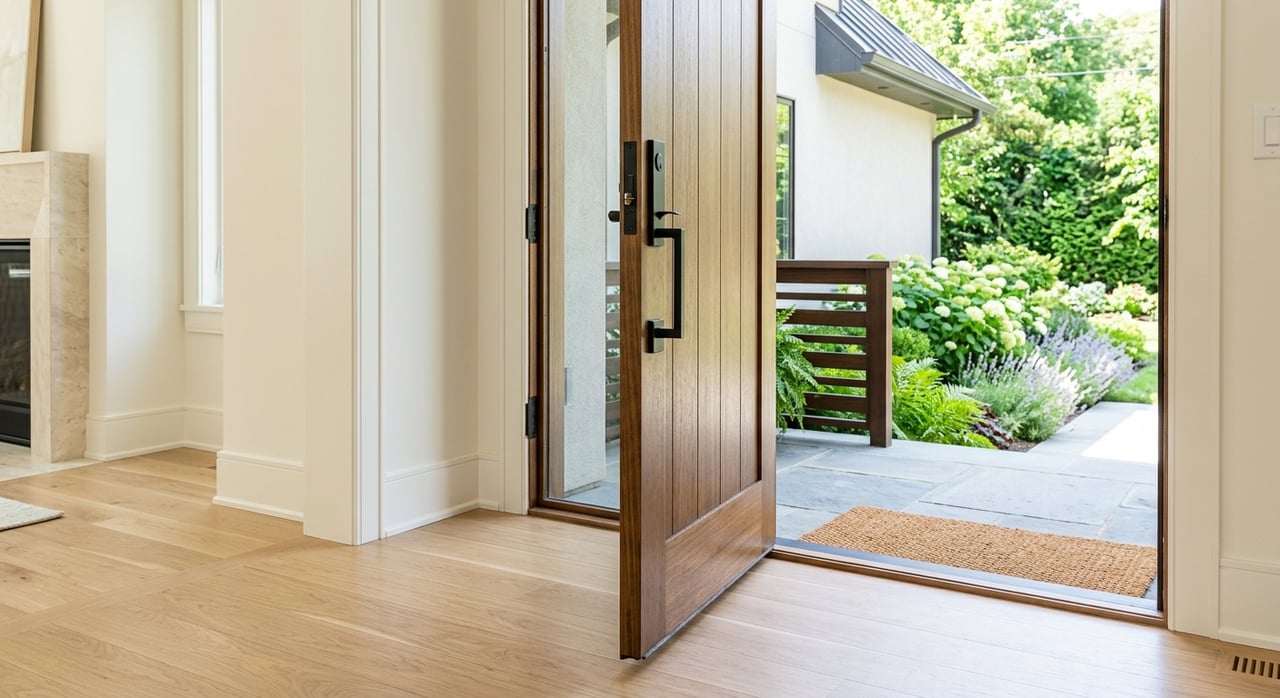
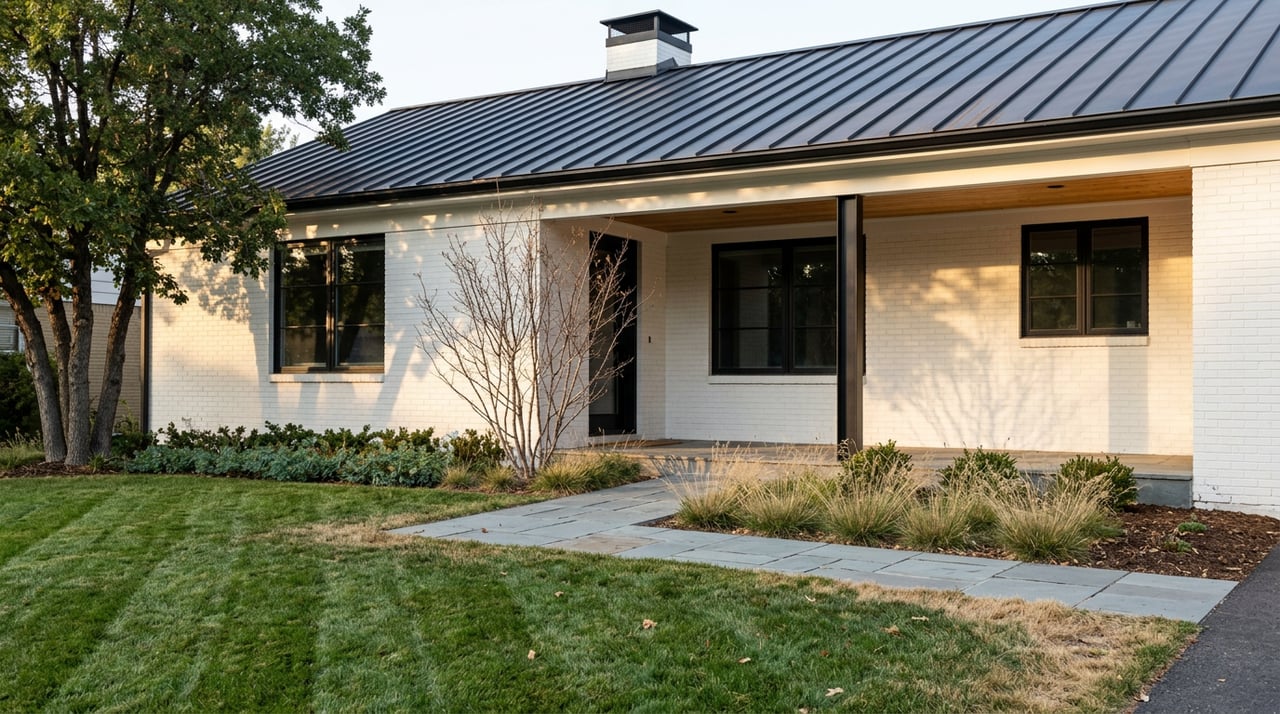
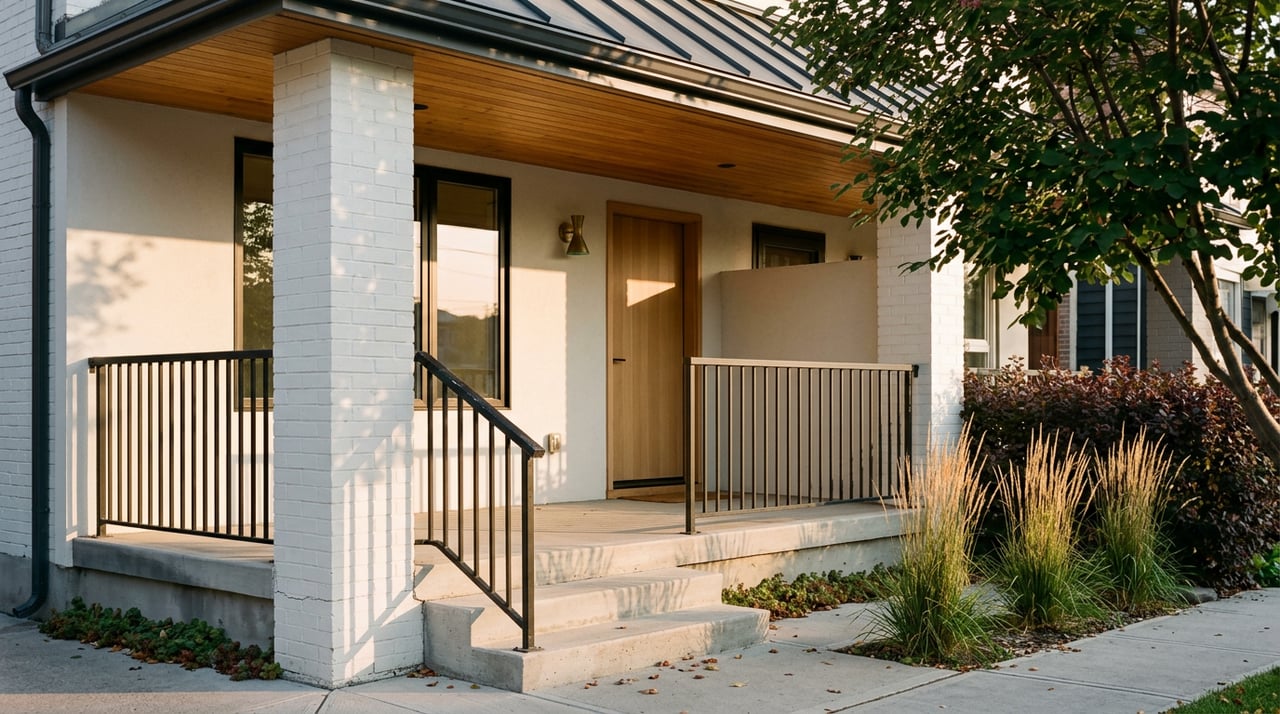
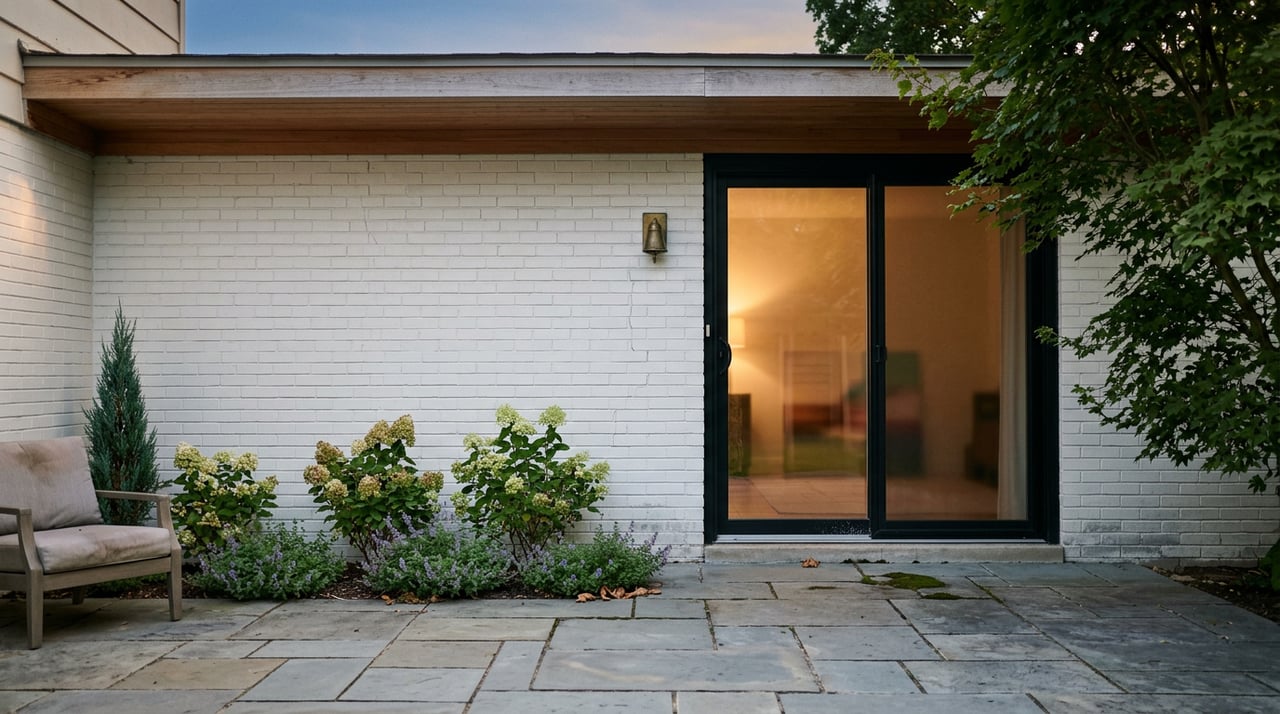
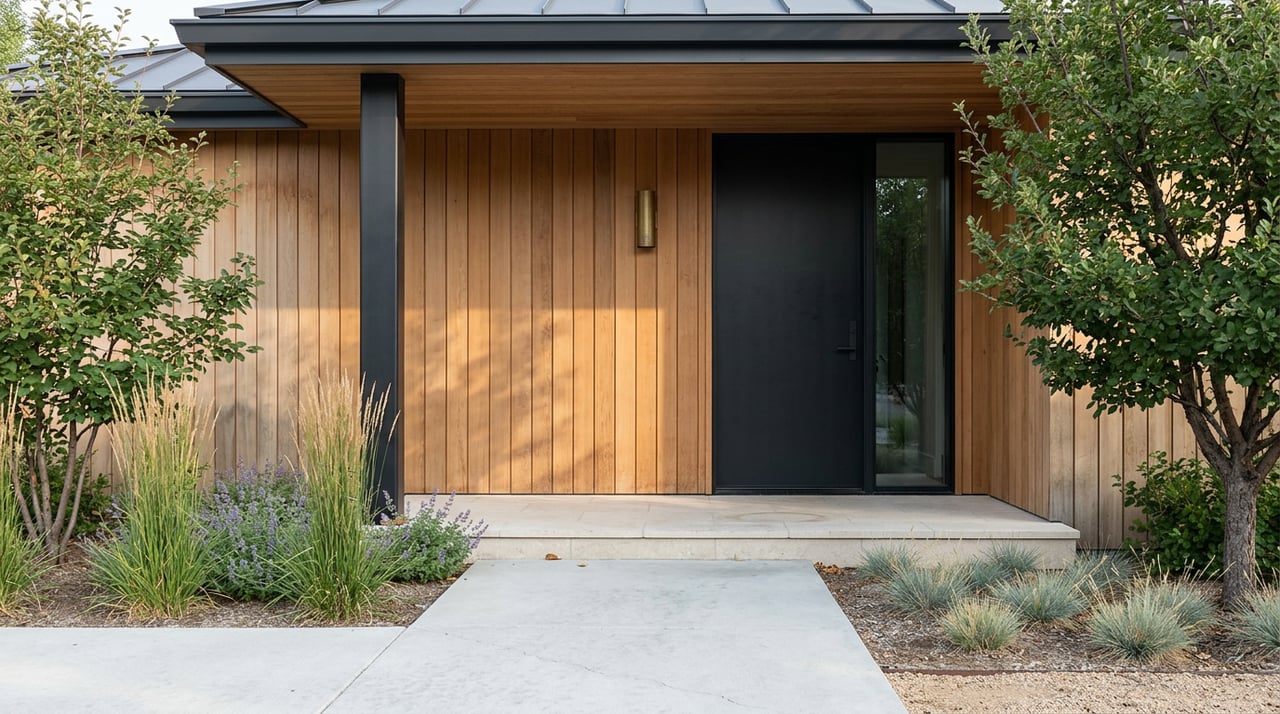
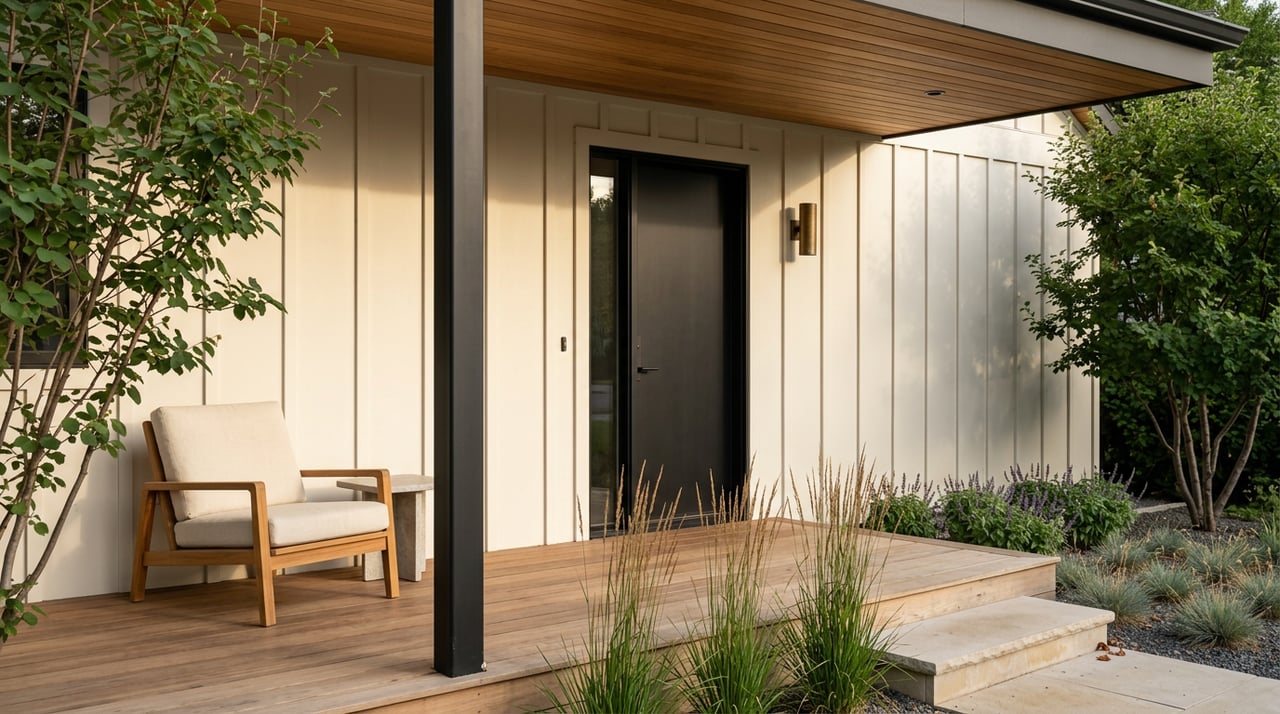
Your exterior sets the tone before a buyer even walks inside. Research from the National Association of REALTORS says curb appeal is one of the most commonly recommended pre-listing priorities, and most agents say it plays an important role in attracting buyers.
For Draper sellers, this is good news because exterior updates often have better resale math than flashy interior overhauls. In the Mountain region, projects like garage door replacement, steel entry door replacement, and some siding improvements showed especially strong cost recovery in the 2025 Cost vs. Value data.
Start with the items buyers see in the first few seconds:
These are not glamorous projects, but they help your home feel maintained. That feeling matters because buyers often use the exterior to predict how well the rest of the house has been cared for.
The roof is one of the first things buyers and inspectors worry about. NAR guidance notes that roof condition is a common pre-listing concern, and Utah buyer due diligence specifically includes the roof among the systems and components buyers evaluate.
That does not always mean replacing it. In many cases, the better move is to fix leaks, replace missing shingles where needed, clean up visible issues, and be ready with records if work has already been done. Full roof replacement often does not return its full cost before a sale unless the roof is truly near the end of its life.
If a buyer sees signs of maintenance issues, they may assume there are more problems behind the walls. That can weaken your negotiating position, even if the issue itself is manageable.
Recent NAR buyer data helps explain why. Many buyers want to avoid post-move repairs, especially problems tied to plumbing, electricity, heating, cooling, windows, doors, and siding.
Before you think about cosmetic updates, handle items that could come up during inspection or disclosure review:
This is the work that protects your deal. Cosmetic flaws may be negotiable, but safety and system issues often create bigger buyer objections.
Draper City processes permits for remodels, re-roofing, electrical, plumbing, mechanical, and related work. If you have completed major repairs or improvements, it helps to gather permits, invoices, warranties, and any other documentation before your home goes live.
This is especially important if older work was done years ago or if it was completed in stages. Buyers feel more confident when you can clearly show what was done and when.
In Utah, sellers are expected to provide a written seller property condition disclosure through the standard REPC process. Depending on the property, sellers may also need to provide a lead-based paint disclosure for homes built before 1978, along with notice of known environmental problems or known building and zoning code violations.
Utah DEQ also notes that the state disclosure asks about hazardous conditions such as radon gas and requires sellers to disclose important changes before closing. In practical terms, that means pre-listing prep is not just about appearance. It is also about identifying known issues and being ready to disclose them accurately.
If you already know about a leak, a malfunctioning system, or a code-related concern, it is often better to deal with it before listing than to hope a buyer will overlook it. Most buyers will not. Even if they still move forward, they may ask for credits, repairs, or a lower price once inspections begin.
A cleaner disclosure package and a shorter repair list can help your sale feel smoother from the start.
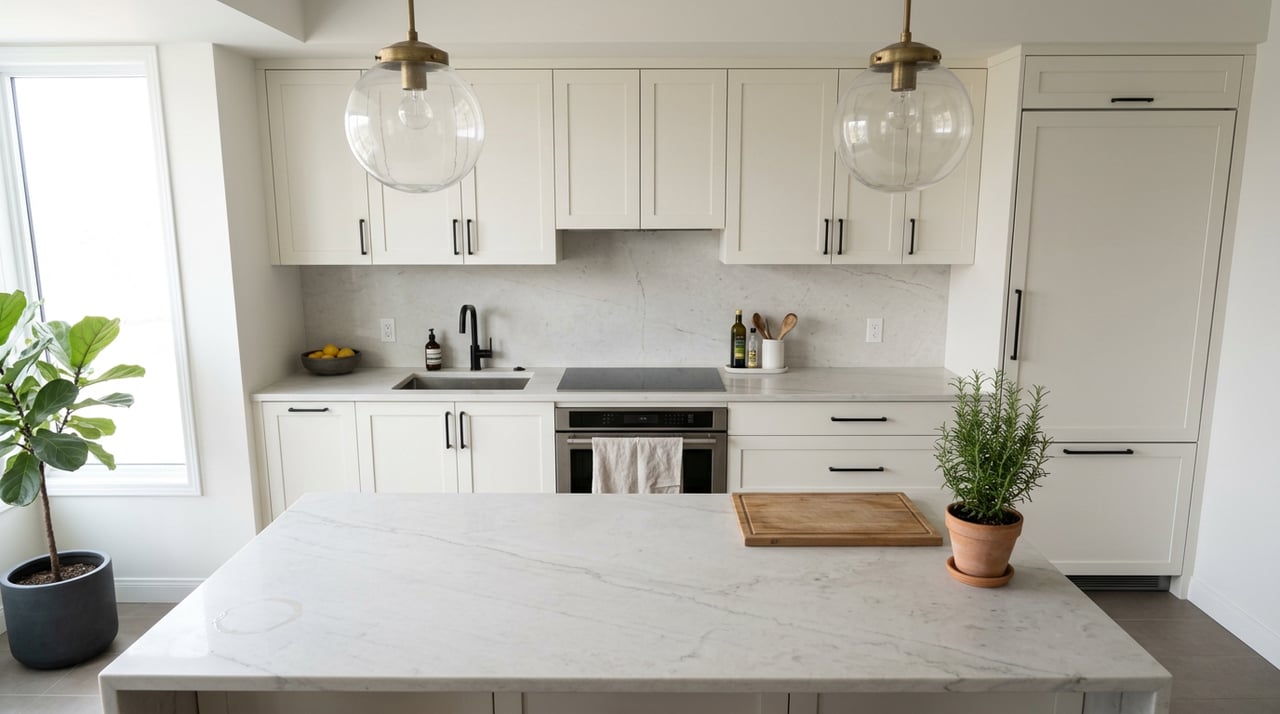
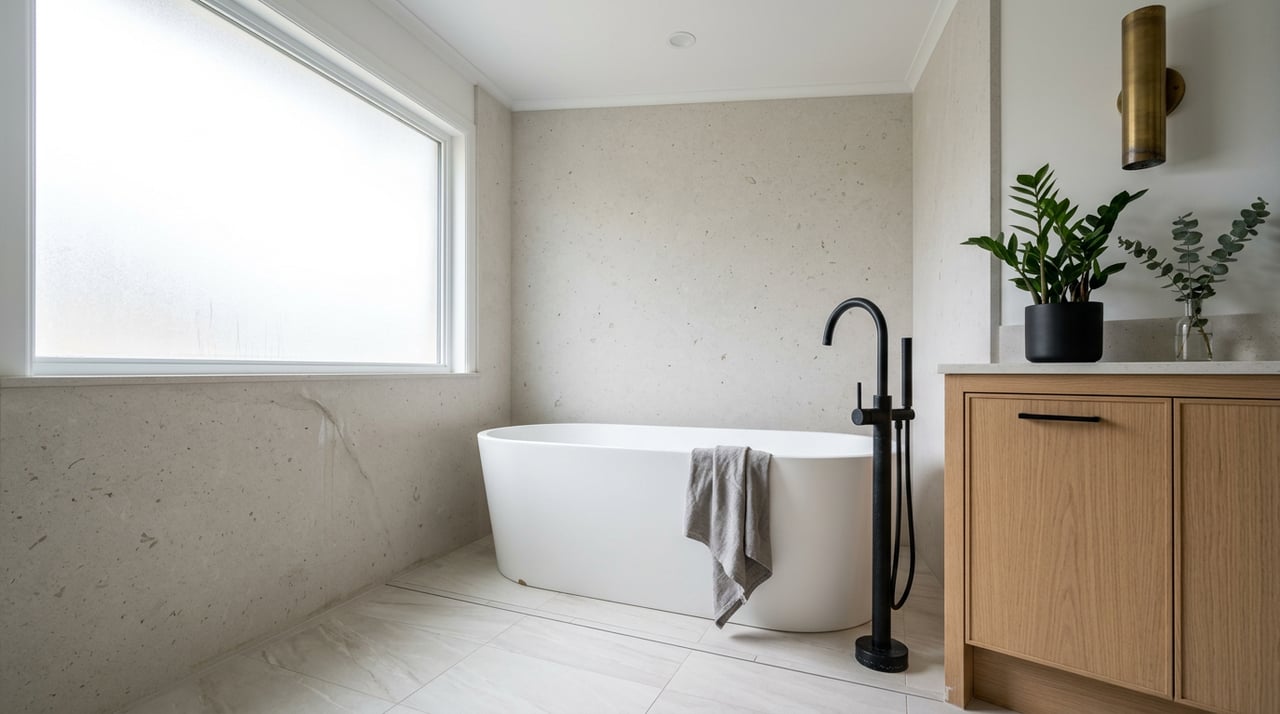
Kitchens and bathrooms matter, but this is where many sellers overspend. Research cited in the report suggests that lighter kitchen updates often perform much better than major luxury remodels when it comes to resale.
In the Mountain region, a midrange minor kitchen remodel had much stronger cost recovery than a major kitchen overhaul. Bathroom data showed a similar pattern, with modest updates performing better than upscale renovations.
Instead of gutting a kitchen or bath, focus on changes that make the space feel fresher and more current:
These updates help buyers focus on the space instead of the punch list. They also fit the practical goal of pre-listing prep, which is to improve marketability, not build your dream renovation right before you move.
Flooring can strongly influence how updated a home feels. Zillow research referenced in the report found that some lower-perceived finishes, including laminate flooring or laminate countertops, can be associated with lower sale results compared with similar homes.
Still, that does not mean you need to replace every floor in the house. A more balanced approach is to replace flooring where wear is obvious, materials feel inconsistent from room to room, or the finish makes the home read as dated.
Ask yourself whether the flooring helps buyers focus on the home or distracts from it. Scratched surfaces, stained carpet, mismatched patchwork, and cheap-looking materials can make buyers mentally add up future costs.
If the floors are clean and in solid condition, you may be better off leaving them alone and pricing accordingly. If they are one of the first things people notice for the wrong reason, targeted replacement may be worth it.
Many sellers assume adding more square footage or luxury upgrades will lead to a bigger sale. The data in the research report suggests otherwise. Large-scale additions and premium projects often recover far less of their cost than targeted repairs and cosmetic refreshes.
That includes projects such as primary suite additions, upscale bath additions, backyard patios, accessory dwelling units, and solar installations. These may improve your enjoyment of the home if you plan to stay, but they are usually not the best pre-listing investment.
A simple rule works well here: fix what a buyer or inspector will notice right away, then price around the rest. If a feature is more about personal taste or long-term lifestyle than broad buyer appeal, it may not make sense to tackle it before listing.
This is where local pricing strategy matters. A data-backed listing plan can help you decide what is worth doing, what should be disclosed, and what should simply be reflected in the asking price.
If you want a simple order of operations, start here:
This approach lines up with both the local market snapshots and the regional remodeling data in the research. In a market like Draper, smart prep is usually about removing objections, not chasing perfection.
If you want help deciding what is worth fixing before you list, Hannah Smith can help you build a clear, data-driven prep plan based on your home, your timeline, and what buyers in Draper are actually responding to right now.
Stay up to date on the latest real estate trends.

Whether you are an experienced investor or a first-time buyer, I can help you in finding the property of your dreams. Let me guide you every step of the way by calling or e-mailing me to set up an appointment.