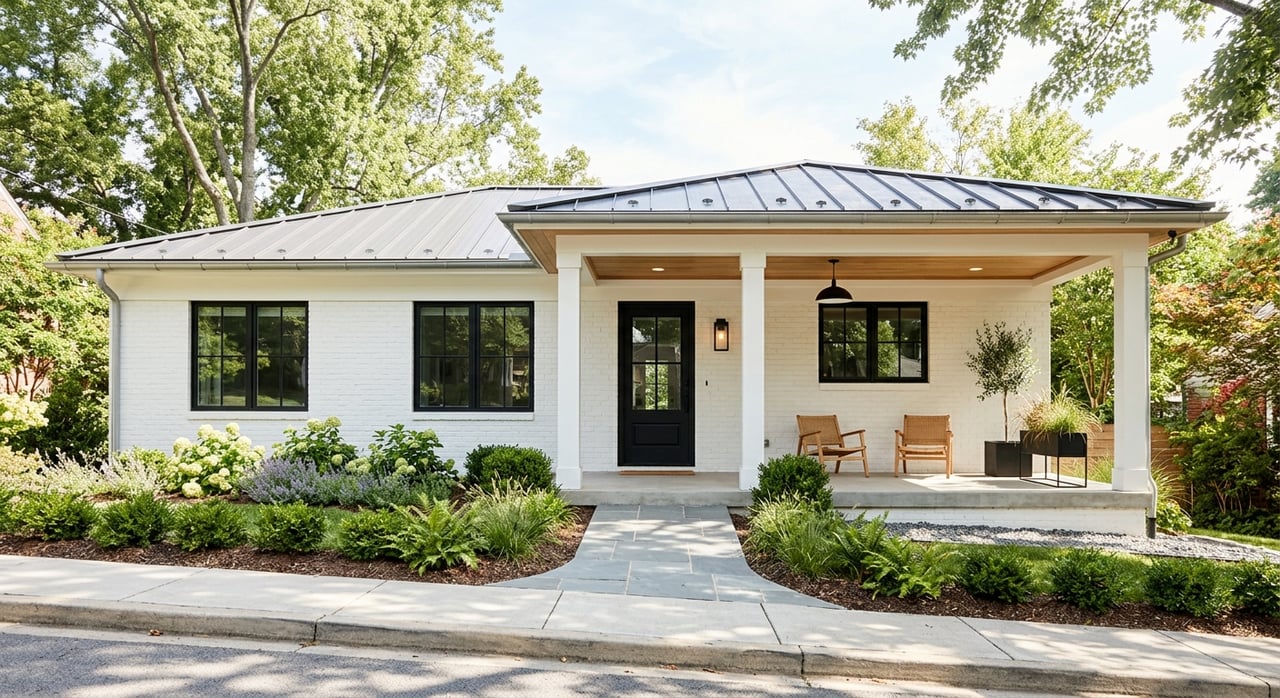
Salt Lake City Outdoor Living: Find Your Best Fit
June 4, 2026
June 4, 2026
Are you dreaming of a home where a quick hike, bike ride, or ski day feels like part of your normal week instead of a special trip? If you are searching for a place that supports an active lifestyle, Salt Lake City stands out for how closely daily living connects to trails, parks, foothills, and winter recreation. The good news is that outdoor access here is not limited to one corner of the city, and knowing how different areas function can help you buy smarter. Let’s dive in.
Salt Lake City makes an outdoor-first lifestyle unusually practical. According to the city’s Trails & Natural Lands program, Salt Lake City manages about 1,650 acres of natural lands and more than 30 miles of formal paved and unpaved trails. That means outdoor access is built into the city itself, not treated as an afterthought.
Another big advantage is variety. City materials describe urban trails as walking and bicycling routes that connect neighborhoods, business districts, parks, and open spaces. For you as a buyer, that means you can choose a lifestyle centered on foothills, parks, river corridors, or bike connectivity instead of feeling pushed toward one specific type of neighborhood.
For many buyers, outdoor living is not just about weekend recreation. It is about what you can do before work, after dinner, or on a random Tuesday when you need fresh air. Salt Lake City’s trail system supports that kind of routine in several different ways.
If you want easy hiking access, Salt Lake City offers some strong close-in options. The city describes City Creek Canyon as a nearby resource close to downtown and a summer respite, which makes it a rare amenity for people who want both city access and nature access. The Bonneville Shoreline Trail also runs across the Wasatch foothills above the city and includes 17 miles of dirt mountain bike trail plus 5.7 miles of paved connections in Salt Lake City.
Popperton Nature Park adds another option for newer riders and casual hikers. The area includes beginner mountain bike trails, easy hiking trails, and a trailhead connection into the Foothills system. If you want approachable outdoor access without committing to a more rugged routine, this kind of setup can be a real plus.
Not every outdoor enthusiast wants mountain access first. Some buyers care just as much about daily bike routes, longer paved trails, and neighborhoods that support a more car-light lifestyle. Salt Lake City’s urban trail network helps make that possible.
The 9-Line Trail runs from the mouth of Emigration Canyon to the Surplus Canal west of Redwood Road and links parks, neighborhoods, and business areas. Parley’s Trail is an 8-mile corridor connecting the mouth of Parley’s Canyon to the Jordan River Parkway Trail. The Jordan River Parkway Trail adds a major north-south bike and pedestrian route through the Westside, and the city says the larger parkway is a 40-plus-mile continuous paved trail with about 8.5 miles inside Salt Lake City.
Parks matter too, especially if your ideal routine includes running loops, casual rides, open space, or family-friendly outdoor time close to home. Sugar House Park is a 110.5-acre regional park with running trails, bike paths, sledding, and cross-country skiing. Liberty Park, the city’s oldest and second-largest park, includes a paved multi-use loop that supports regular walking, running, and riding.
If biking is a bigger part of your lifestyle, the city also manages three bike parks plus the beginner mountain bike area at Popperton. Features range from beginner pump tracks to expert-only BMX terrain. That mix gives buyers more options than a simple choice between a mountain trail or nothing at all.
Salt Lake City’s outdoor value does not end when summer does. If skiing or snowboarding is part of your lifestyle, you do not necessarily need to live in a resort area to stay connected to winter recreation. The city’s location and transit options make valley living more realistic for winter sports enthusiasts.
UTA’s seasonal Ski Bus service runs to nearby resorts including Alta, Snowbird, Brighton, Solitude, Snowbasin, Powder Mountain, and Sundance. UTA also notes that many ski bus routes connect with TRAX or FrontRunner. For buyers who want to balance city life, job access, and ski days, that setup can be a major quality-of-life advantage.
Winter access also shows up closer to home. Sugar House Park supports sledding and cross-country skiing, which gives some neighborhoods year-round outdoor appeal beyond mountain resort trips. If you want your home search to reflect all four seasons, Salt Lake City gives you more than one way to do it.
The right neighborhood depends on how you define outdoor living. Some buyers want trailheads and foothills right outside their door, while others want park access, flatter bike routes, or better daily connectivity. Salt Lake City offers several distinct patterns.
The Avenues is a strong fit if you want to stay close to downtown while keeping foothills access within easy reach. The city says residents can walk to the Central Business District, the University of Utah, City Creek Canyon, and the Wasatch foothills. That combination supports a lifestyle that blends urban convenience with quick access to hiking and canyon scenery.
The neighborhood is also known for older stately homes, narrow tree-lined streets, and an eclectic housing mix. If you are drawn to character and want outdoor access without giving up a central location, the Avenues often lands high on the list.
Federal Heights is one of the clearest examples of a foothills-oriented Salt Lake City neighborhood. It sits below the Block U, borders Red Butte Canyon Research Natural Area and Tomahawk Natural Area, and the city describes it as walkable with access to numerous hiking trails. For buyers who picture a home base with immediate trail proximity, this area deserves attention.
It also offers historic character, which may matter if you want an established neighborhood feel. In practical terms, Federal Heights can appeal to buyers who want outdoor access to feel highly integrated into daily life, not just available on weekends.
The East Bench is the easternmost community in Salt Lake City and sits at the base of the Wasatch foothills. The city describes it as a mix of older distinctive homes and newer homes on the slopes, which creates a broader range of housing styles. That can be useful if your wish list includes both outdoor proximity and flexibility on home type.
Nearby, the East Bench/H-Rock Preserve includes 42 acres of foothills open space and a natural-surface segment of the Bonneville Shoreline Trail. If your ideal day starts with a trail run or ends with a quick hike, this kind of access can shape your search in a meaningful way.
Sugar House stands out for buyers who want a park-and-trail lifestyle. The district is described by the city as village-like, and the area includes Sugar House Park, Parley’s Trail, the McClelland Trail corridor, and connections to transit and neighborhood streets. This makes it especially appealing for runners, cyclists, and buyers who want recreation woven into an everyday neighborhood setting.
Sugar House can be a smart option if you value activity without needing to be directly in the foothills. Instead of a canyon-adjacent feel, you get a major park, trail links, and a more connected daily routine.
If you prefer flatter terrain and long corridor-style biking or walking routes, Westside neighborhoods deserve a closer look. The city says the Jordan River Parkway provides a north-south corridor for bicyclists and pedestrians, giving these areas a different outdoor personality than the foothills neighborhoods. For some buyers, that is a better fit for regular rides, walks, and family recreation.
The district page also notes that Westside residents are less than a mile from either the river or a neighborhood park, and more than 80 percent are within a quarter-mile. That suggests a pattern of broad, everyday outdoor access that is tied to parks and river corridors rather than hillside trailheads.
When you are buying in Salt Lake City, outdoor lifestyle should be one of your main search filters. Price, size, and bedroom count still matter, but they do not tell the whole story if your goal is to use trails and parks regularly. The better question is what kind of access will actually support the routine you want.
A few useful filters to think about include:
The city’s recent foothills trailhead improvements reinforce why details matter. Salt Lake City has added parking, restrooms, kiosks, picnic areas, and bike repair stations at new foothills trailheads. Those upgrades can make a real difference in how easy it is to use outdoor spaces on a normal day.
Outdoor buyers often focus first on location, but the home itself can shape your experience just as much. A house near great trails may still feel less functional if it lacks gear storage, practical garage access, or a layout that supports active living. In Salt Lake City, these details are worth discussing early in your search.
If you plan to ski, ride, or hike often, think about where gear will go and how quickly you can get in and out. Hillside streets, driveway grades, and garage setup can matter, especially in winter. In many cases, the most satisfying purchase is not the one with the biggest square footage, but the one that best fits how you actually live.
Salt Lake City gives you more than one version of outdoor living. You can focus on foothills and canyon access, center your routine around major parks, or prioritize paved bike corridors and river trails. That flexibility is one of the city’s biggest strengths for buyers.
The key is matching your home search to your real habits. If you are honest about whether you want daily trail runs, weekend canyon hikes, park loops with the dog, or easy ski-bus access, you can narrow your options faster and avoid buying a home that looks good on paper but does not support your routine.
If you want help finding a Salt Lake City home that fits the way you actually live outdoors, Hannah Smith can help you compare neighborhoods, narrow your search, and make a confident move.
Stay up to date on the latest real estate trends.
Whether you are an experienced investor or a first-time buyer, I can help you in finding the property of your dreams. Let me guide you every step of the way by calling or e-mailing me to set up an appointment.