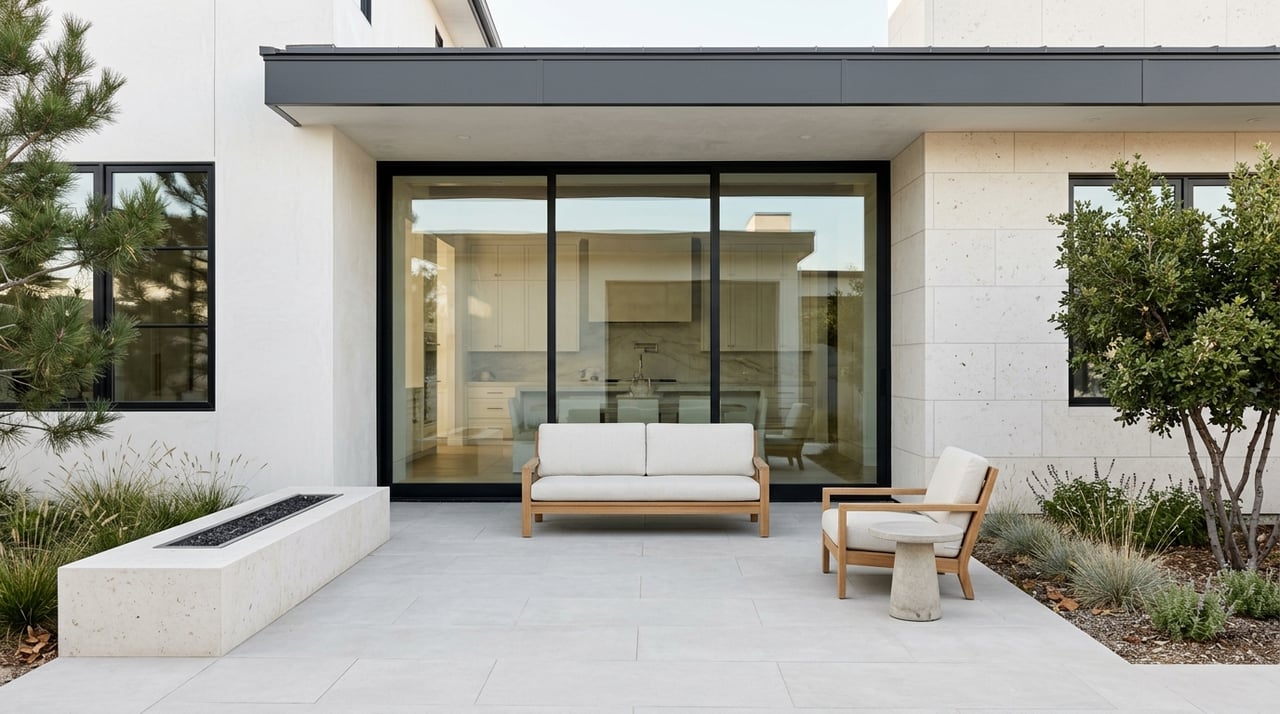
Buying a Luxury Home in Draper With More Confidence
June 25, 2026
June 25, 2026
If you are thinking about buying a luxury home in Draper, you are not just shopping by price. You are weighing views, lot position, privacy, access, and long-term value in one of the Salt Lake Valley’s most distinctive markets. This guide will help you understand where the luxury tier starts, what drives pricing, and which local details deserve extra attention before you make an offer. Let’s dive in.
Draper’s broader housing market currently sits in the high $800,000 range, depending on the source and time period. Recent reported figures include a median sale price of about $829,504, a median sale price around $786,333 in another recent snapshot, and a median asking price near $899,950.
That matters because luxury in Draper is typically a step above the citywide middle. Current active luxury inventory begins around $1 million and stretches far higher, with visible listings ranging from just over $1 million to several million dollars.
For many buyers, that means Draper feels like a market with layers. You may be comparing a newer seven-figure home with moderate square footage, a large hillside property with major views, or an estate-style home with a more complex lot and site layout.
In practical terms, luxury inventory in Draper often starts around the $1 million mark. That threshold is useful, but price alone does not tell the whole story here.
Some homes command a premium because of square footage or high-end remodeling. Others do because of their setting, especially if they back to open space, sit on a hillside, or capture broad valley views.
You will also find that not every luxury home is massive. Recent examples show new construction in the low $1 million range with roughly 2,100 to 2,400 square feet, while other homes at similar price points offer much more space. In Draper, buyers often pay for finish quality, lot placement, privacy, and views, not just size.
Draper’s highest-end inventory is generally concentrated in view-oriented hillside areas. The city’s General Plan describes these areas as large-lot single-family neighborhoods or ranchettes where natural features and vegetation remain a major part of the setting.
That hillside pattern helps explain why luxury pricing in Draper can vary so much from one pocket to another. A home’s terrain, lot shape, and relationship to open space can have a major effect on value.
Draper has more than 150 miles of scenic trails and 5,000 acres of open space. The city also notes that it is the only city with trails looking out over both the Salt Lake and Utah valleys.
For buyers, that can translate into strong lifestyle appeal. View corridors, trail access, privacy, and adjacency to open space are often part of what supports premium pricing in Draper’s upper-end market.
Not every part of Draper competes the same way. The city’s historic resources are concentrated in a small town-center area, and this established core has a very different pricing profile than the hillside neighborhoods.
Current neighborhood-level asking data shows a sharp spread. Draper Historic District is around $733,778, compared with roughly $1,574,400 in Corner Canyon and about $1,700,000 in Hidden Valley. That gap shows why broad city averages can be misleading when you are trying to value a luxury property.
Luxury buyers in Draper are often paying for a blend of features rather than one simple formula. Recent listings highlight several common value drivers.
A premium Draper home often delivers sweeping valley or mountain views. In hillside locations, the setting itself may be one of the biggest reasons a property stands apart from the rest of the market.
Move-in-ready condition matters, especially in the upper tier. One current example highlights a major 2026 remodel, showing that updated finishes and modern design can support a strong asking price even when buyers are also focused on the lot.
Luxury value is not always about extravagance. A current high-end Draper listing includes a separate entrance, separate laundry, and a full ADU, which shows how flexibility and livability can add real appeal.
Hillside luxury properties can come with larger parcels, irregular lot shapes, and more topographic complexity. That means simple price-per-square-foot comparisons may not tell you much if one property has a much better site, more privacy, or a harder-to-replicate view position.
One of the biggest mistakes luxury buyers make is comparing the wrong types of homes. In Draper, a historic-core property, a newer construction home, and a hillside estate may all sit under the same city name while competing in very different submarkets.
That is why pricing needs a neighborhood-level and property-specific lens. If you rely only on citywide averages, you can miss the premium attached to a rare lot or overestimate the value of a home that lacks the location features buyers in this tier care about most.
When you evaluate a property, ask whether the true comparison set should include:
Luxury buying in Draper often involves details that do not show up clearly in online photos. Because many premium homes are tied to terrain and open space, your due diligence should go deeper than finishes and floor plan.
Draper City warns owners and buyers to avoid encroachment on city-owned trails and open space. If a property borders open land, confirm the exact property lines and review whether fences, landscaping, or other improvements sit close to city land.
This matters because a beautiful edge lot may come with restrictions or practical limits that affect future plans. You want to know what is permanent, what is protected, and what you are truly buying.
If the home sits on a slope or has major retaining work, ask for the property’s geotechnical and engineering history. Draper’s retaining-wall guidance ties qualifying work and some hillside modifications to engineer design requirements and the city’s Geologic Hazard Ordinance.
That does not mean a hillside home is a bad choice. It means the lot may carry added construction, drainage, or maintenance complexity that deserves careful review before you pay a premium.
Snow removal can affect daily life more than some buyers expect. Draper gives top plowing priority to hills and arterial or collector roads, while inner subdivision streets, cul-de-sacs, and dead-end streets are cleared later and can take up to 48 hours after a major storm.
If a home is on a steeper road or tucked into a smaller enclave, ask how that plays out in practice. Convenience is part of luxury, and winter access should be part of your decision.
Drainage is another important site issue, especially on sloped properties. Draper’s stormwater guidance specifically addresses erosion control, runoff management, and low-impact development structures.
For buyers, the key question is simple: how does this lot handle water during snowmelt and summer storms? A strong answer can help protect both livability and long-term maintenance costs.
Before you move forward on a luxury home in Draper, make sure you ask questions that match the property type and site.
These questions can help you avoid overpaying for a premium that is not as durable as it first appears. They can also help you spot a property with long-term strengths that generic market stats may miss.
A smart search starts with clarity about what kind of premium matters most to you. Some buyers want panoramic views and privacy. Others want newer finishes, easier maintenance, or a home that balances luxury with function.
In Draper, that tradeoff is especially important because the market includes several distinct lifestyles under one city name. You may find that the best fit for you is not the biggest home, but the one with the best combination of setting, access, condition, and long-term resale appeal.
It also helps to compare Draper with nearby south-valley options. Current asking-price medians place Draper above Sandy and South Jordan and slightly below Holladay, which is one reason many buyers weigh Draper against other nearby suburbs rather than treating it as a completely separate market.
Buying a luxury home in Draper is about more than crossing a price threshold. It is about understanding submarkets, recognizing what truly drives premiums, and doing the local homework that protects your investment.
The strongest opportunities usually come from matching your goals to the right type of property, whether that means a view-driven hillside home, a newer high-end build, or a well-positioned home in an established part of the city. With the right strategy and neighborhood-level guidance, you can buy with more confidence and less guesswork.
If you want help comparing Draper luxury neighborhoods, evaluating true comps, or narrowing your search based on your priorities, Hannah Smith can help you make a smart, data-backed move.
Stay up to date on the latest real estate trends.
Whether you are an experienced investor or a first-time buyer, I can help you in finding the property of your dreams. Let me guide you every step of the way by calling or e-mailing me to set up an appointment.